Explore our wide selection of courses designed to empower and get nursing professionals ready for success in healthcare.
Generic BSN
Introduction
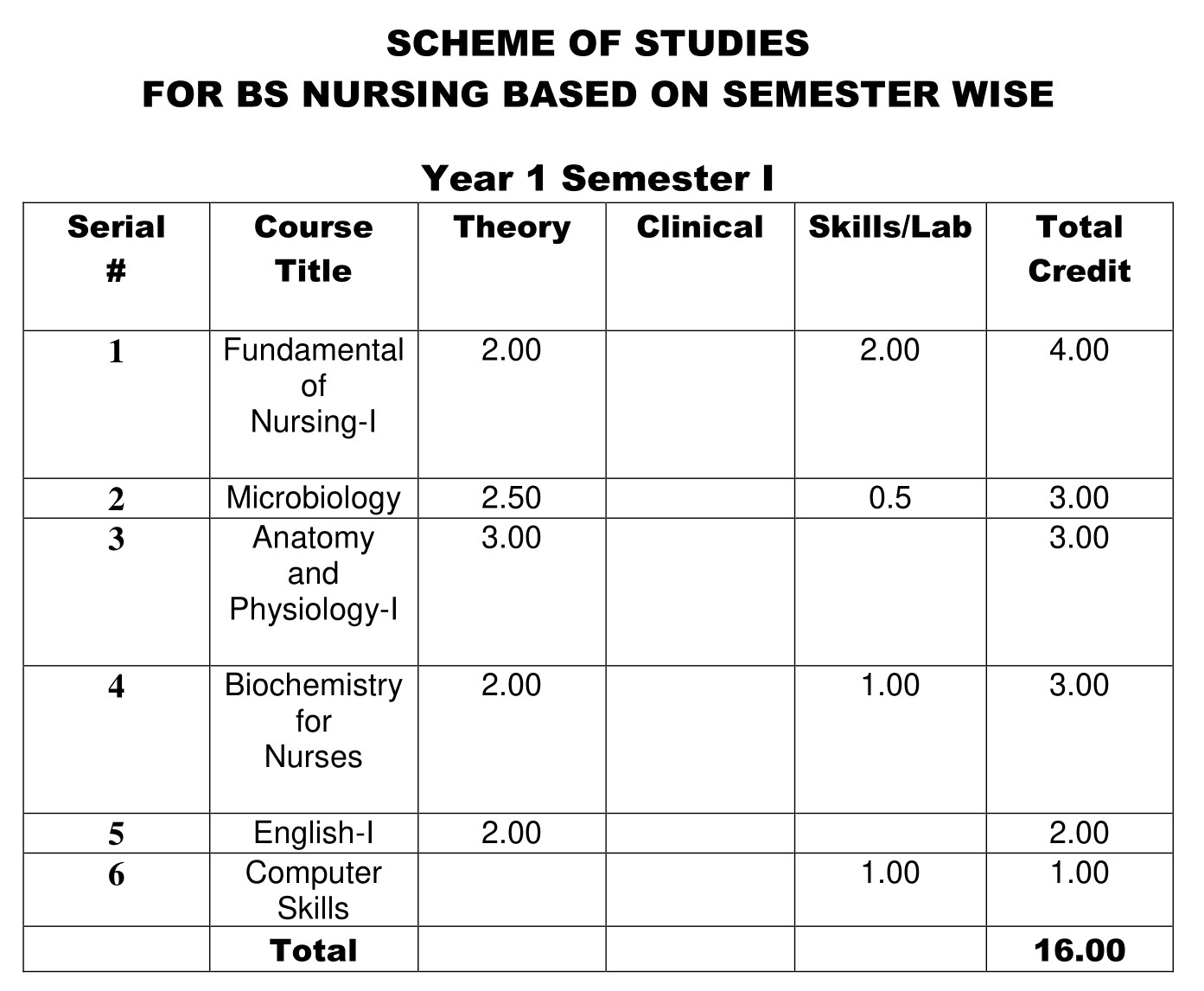
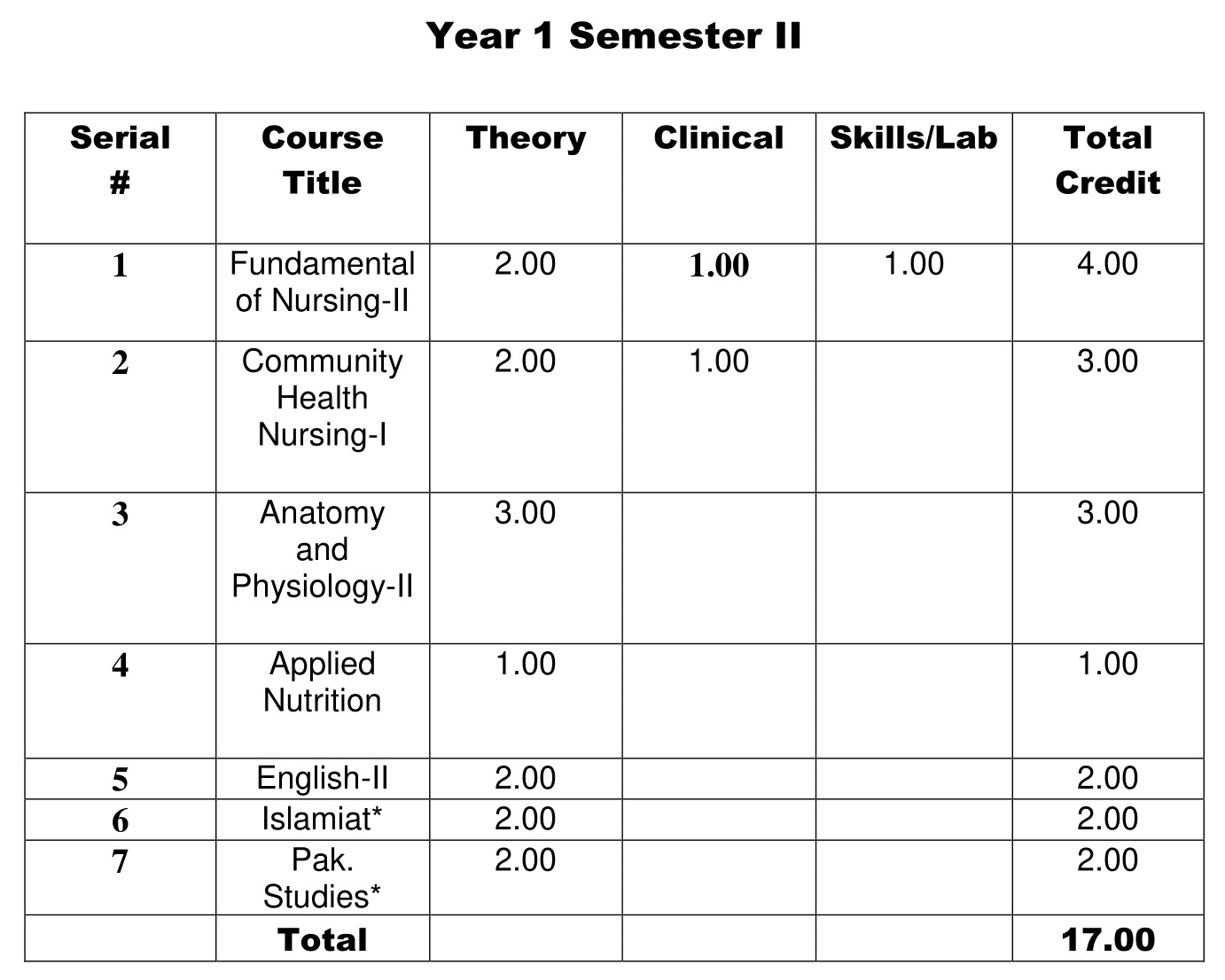
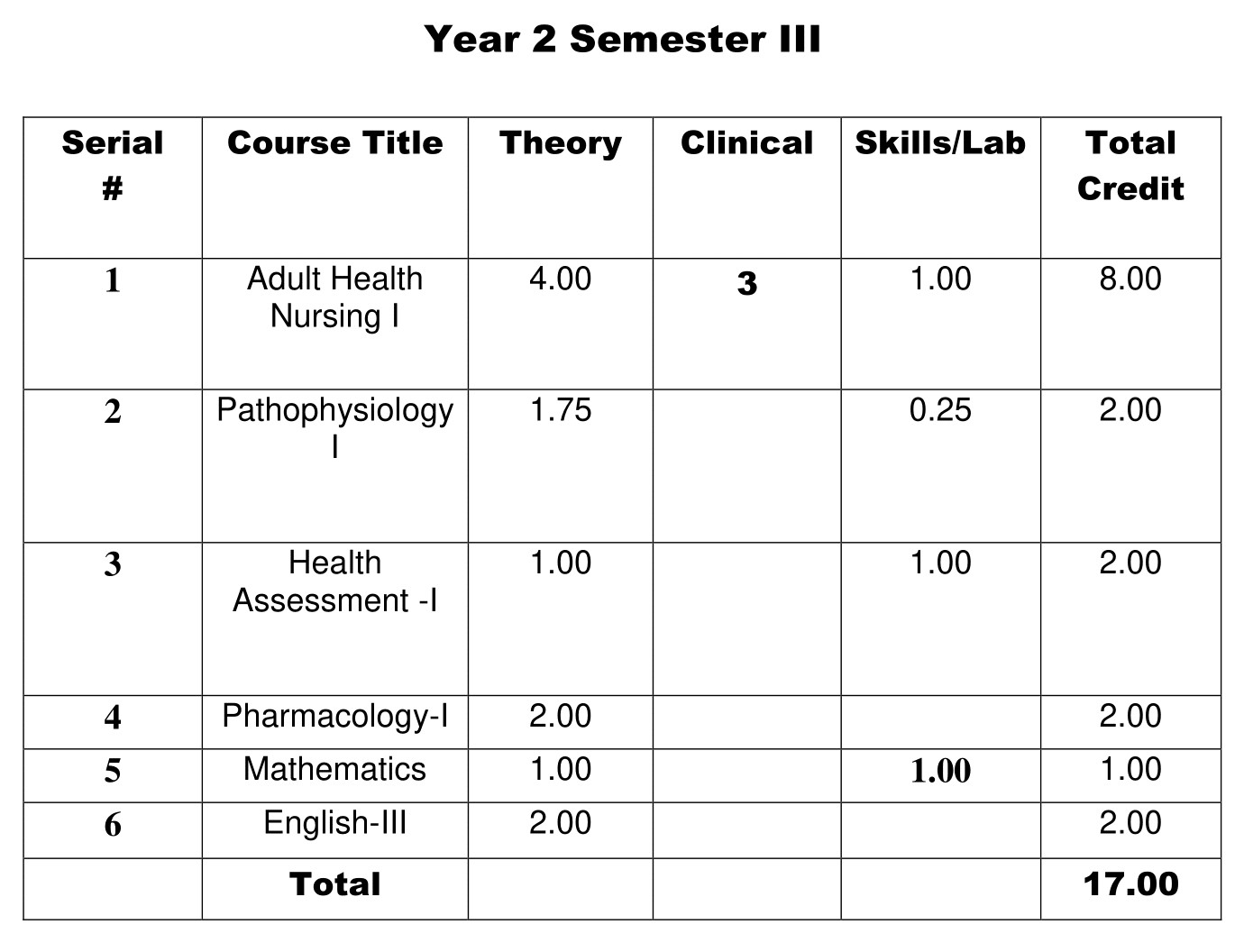
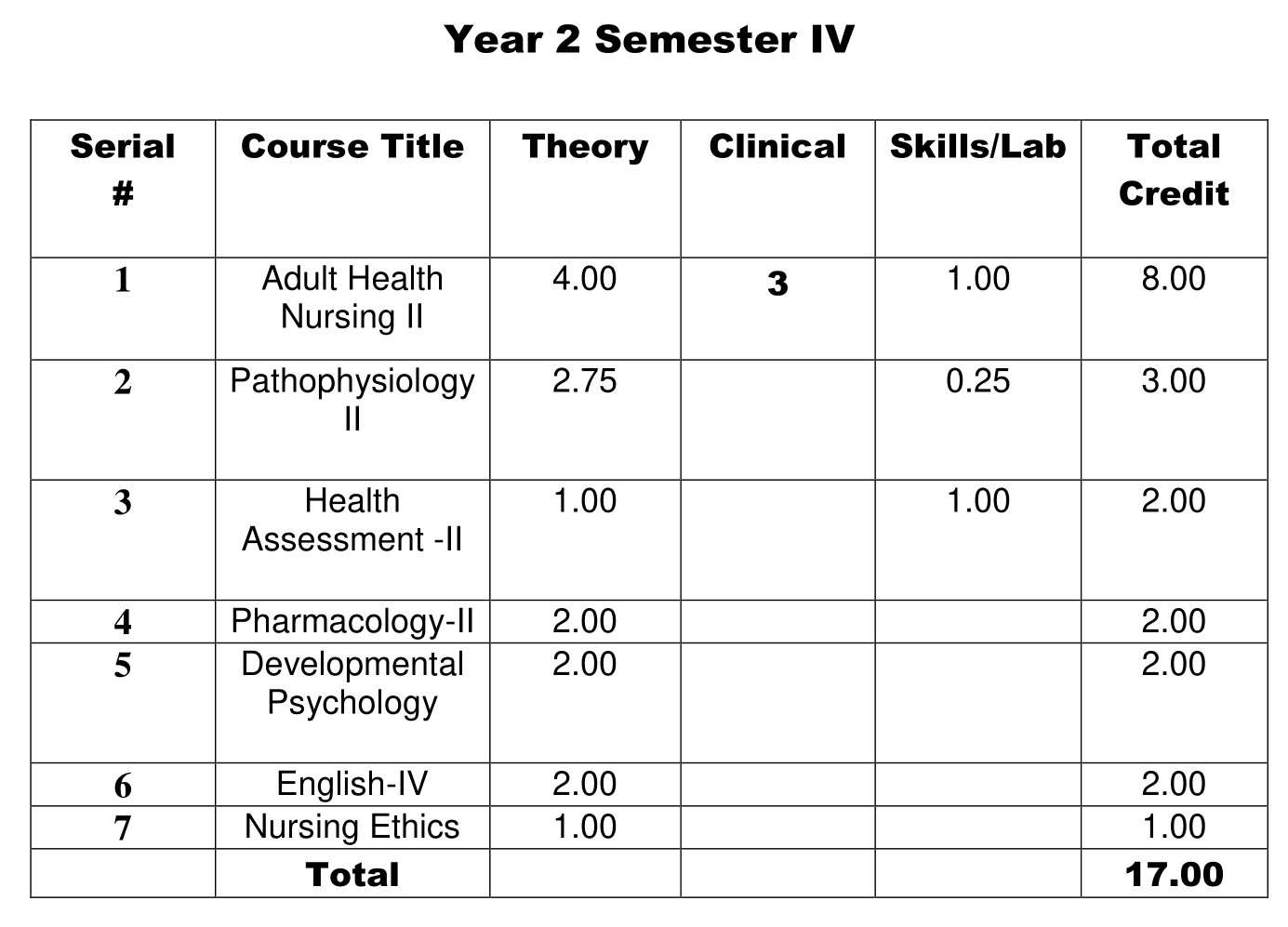
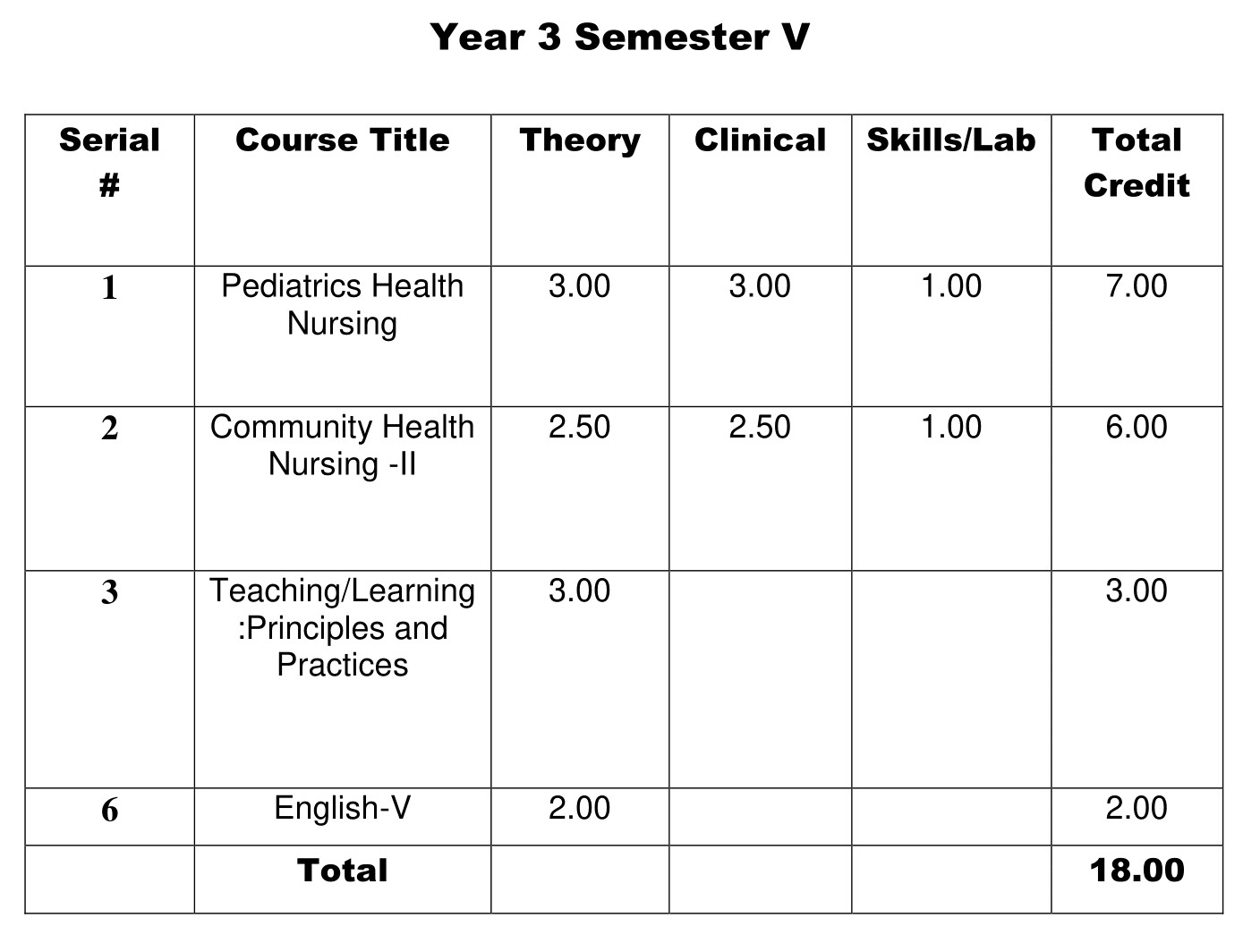
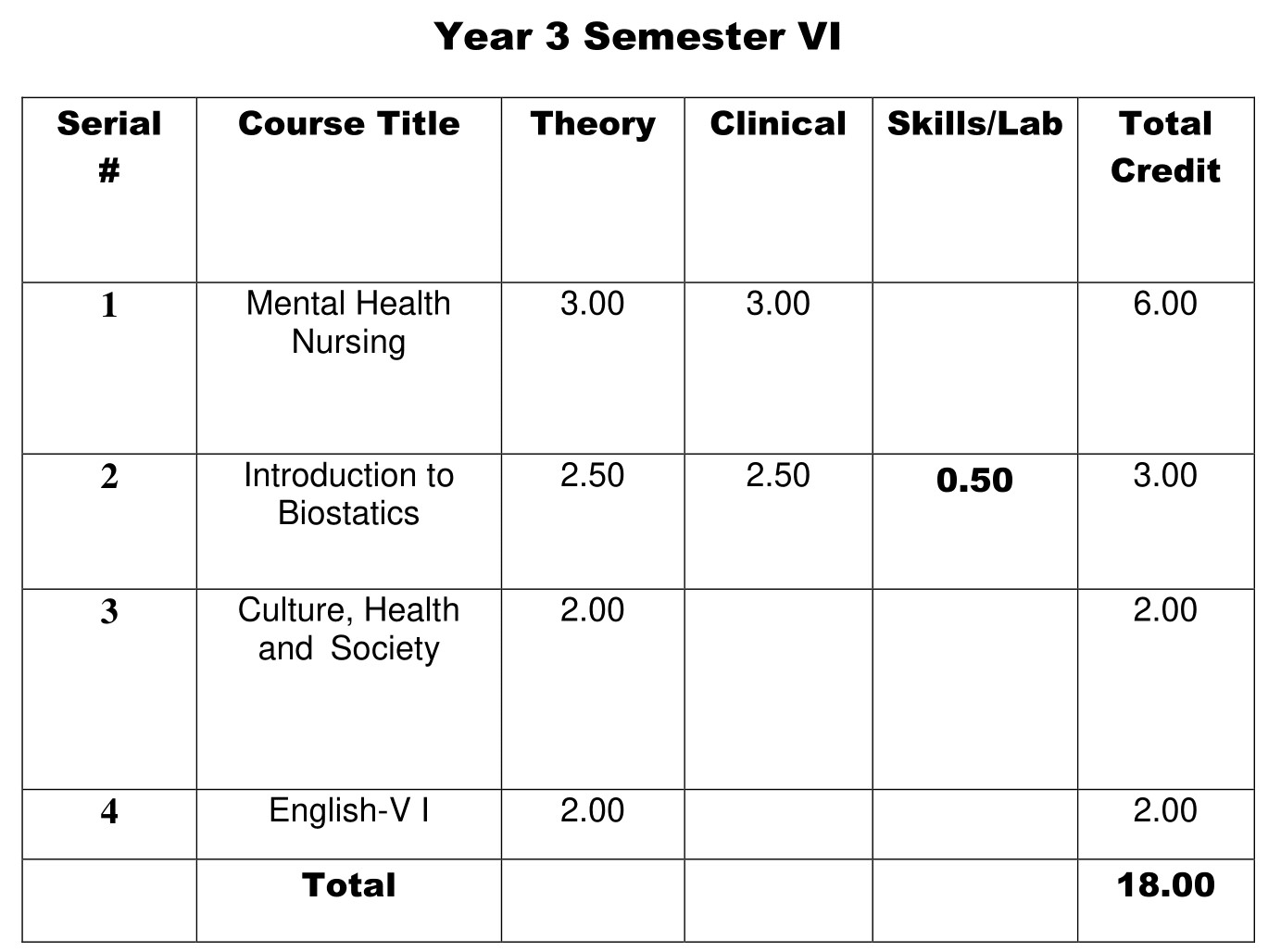
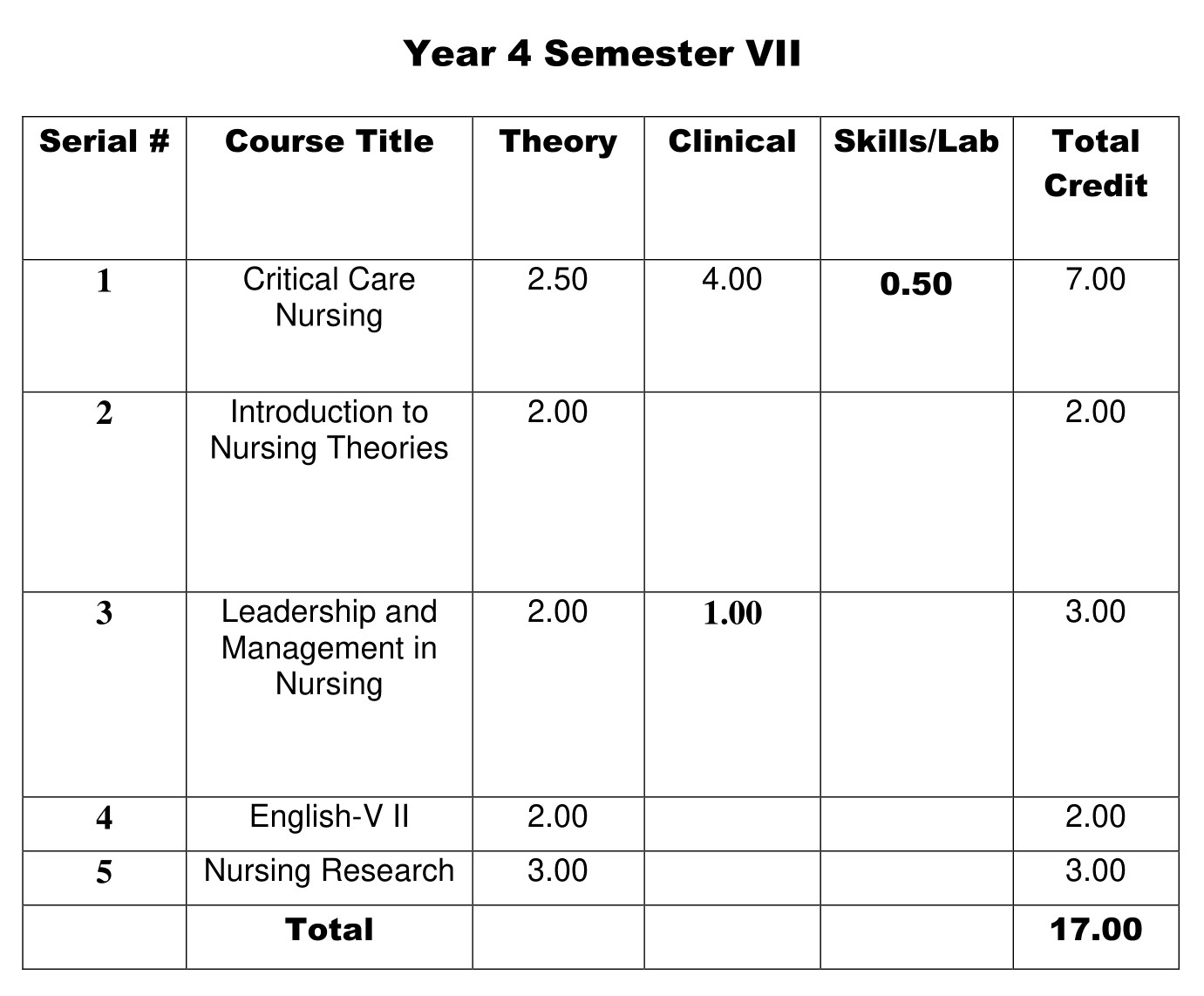
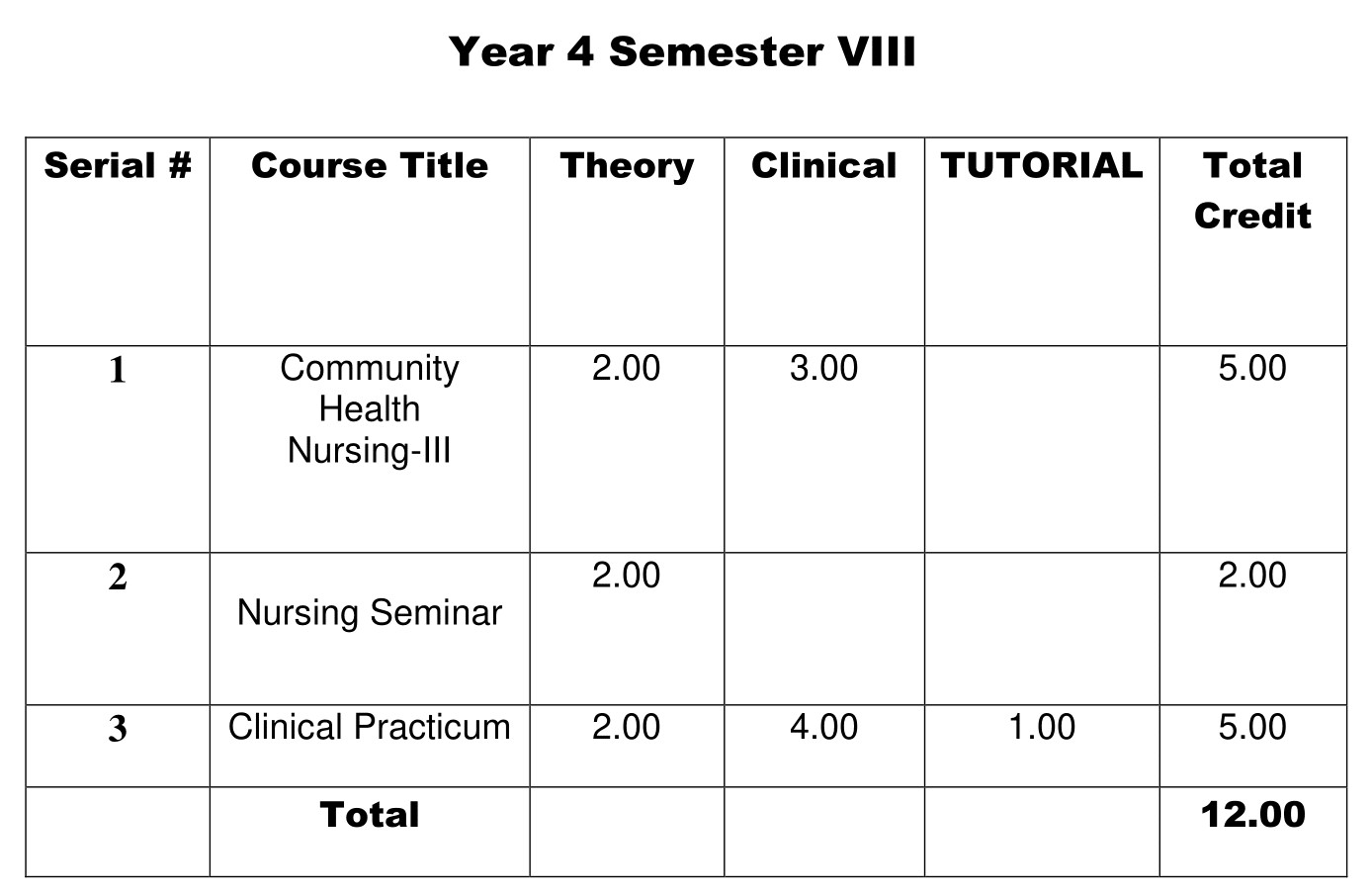
Generic BS Nursing is a four-year programme divided into eight semesters. The programme is registered with PN&MC, Islamabad and affiliated with KMU, Peshawar. It is designed to prepare knowledgeable and clinically competent professional nurses. Admissions are offered to candidates who have passed Higher Secondary Certificate Examination (F.Sc. Pre-Medical) or possess an equivalent qualification from a recognized board with minimum of 60% marks. During studies in BS Nursing, theoretical knowledge of nursing and healthcare, basic sciences and social sciences, clinical practice opportunities at tertiary care hospitals, community centres and field visits are parts of the course curriculum. Upon graduation, CMI graduates are offered one-year internship at CMI attached hospitals. Upon successful completion, interns are eligible to apply for a license as a Registered Nurse with Pakistan Nursing & Midwifery Council (PN&MC).
The mission of the BSN program at CMI Peshawar, is to prepare registered nurses to provide safe and quality care to diverse populations across the lifespan using evidence-based practice. We are committed to provide evidence-based practice in the field of nursing and develop personal attributes necessary to become knowledgeable, skilled, and righteous nursing professionals.
PROGRAMME OBJECTIVES
Graduate Learning Outcomes
Graduates of BSN programme are expected to demonstrate responsibility and accountability to the nursing profession. They are required to:
Adhere to the established patterns of professional practices, which supports the legal, religious, and ethical tenets of Pakistan.
Incorporate the nursing process to provide safe, competent, and holistic nursing care to patients/clients in a variety of settings.
Adopt and use scientific methods in critiquing and applying existing nursing theories and research findings.
Demonstrate effective verbal and written communication skills in interpersonal and professional interactions with peers, clients, patients, families, and other professionals.
Demonstrate competence in utilization of available resources to support needs of individuals, families, and communities in diverse settings.
Exhibit the ability to coordinate activities related to the provision of healthcare for patients in various settings.
Demonstrate awareness of the existing healthcare system and its policies as they affect the patient/client care.
Foster leadership skills to promote development of the profession.


 info.educmi@gmail.com |